ICELAND'S OCEAN WANDERER

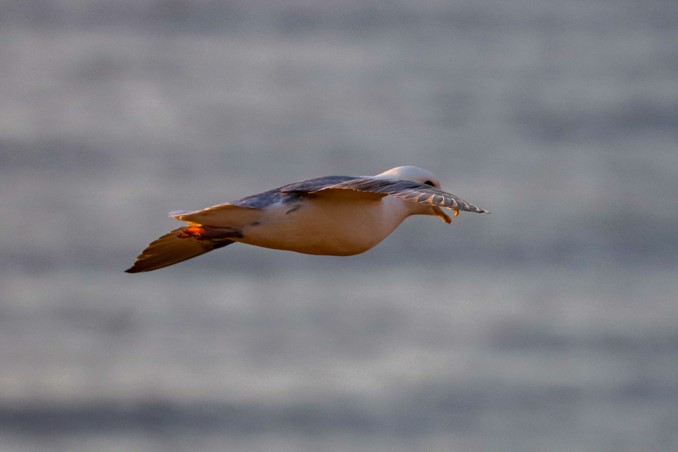
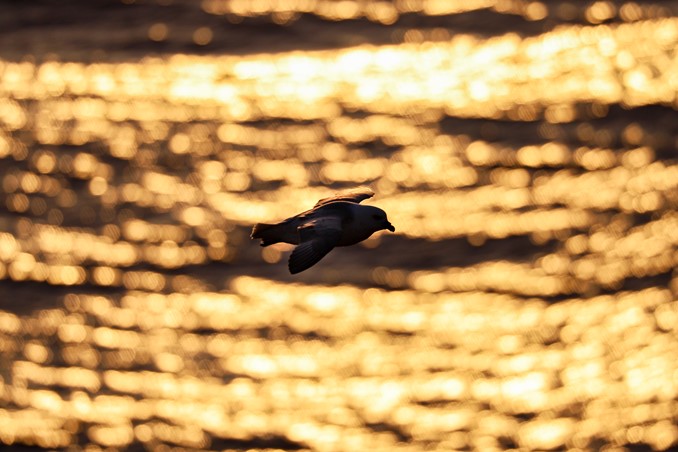
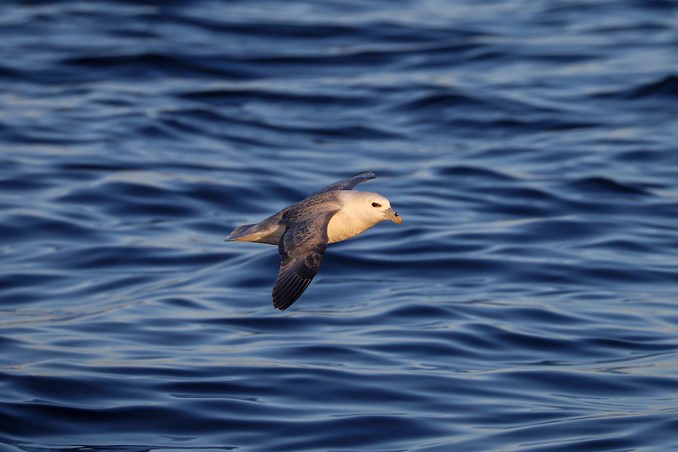
One of the birds we see literally every day on our tours is the northern fulmar — a true North Atlantic specialist and one of Iceland’s most iconic seabirds.
At first glance, fulmars can look a bit like gulls, but they’re actually relatives of the albatross. They're built for life at sea, and with stiff wings and incredible control in strong winds, they glide effortlessly across the bay while barely needing to flap their wings at all.
Around Iceland, fulmars are also called the “fisherman’s friend” as they’re often seen following coastal fishing boats for hours at a time - keeping the fishermen company throughout the long nights at sea.
They’re curious, fearless birds and often come close to our boats, circling and inspecting us while we wait for a diving whale to return to the surface.
If you’ve joined one of our tours, chances are you’ve already had a fulmar fly right past you at eye level. No? Take a look beside the boat — I’d bet there’s one sitting on the surface watching you.
Fulmars spend most of their lives far out at sea, only returning to cliffs and rocky coastlines to breed. Iceland is one of the most important nesting areas for them in the world.
They also have one of the strangest defence systems in the bird world. If threatened, fulmars can spray a foul-smelling stomach oil at predators, damaging their feathers and making it difficult to fly. It’s an unusual but very effective survival tool.
So next time you’re out on the bay waiting for whales, look around — there’s a good chance a fisherman’s friend is already gliding beside the boat or staring right at you from the surface!
Photos Credit: Sarah (captain/head guide)